
VA Loan Offers: What Tampa Bay Sellers Need to Know


What Tampa Bay Sellers Need to Know Before Rejecting a VA Loan Offer
If you are a Tampa Bay seller considering a VA loan offer, it is important to understand how VA financing actually works before accepting or rejecting the contract.
Outdated concerns about VA appraisals, required repairs, closing delays, and zero-down buyers can cause sellers to overlook a strong and well-qualified purchaser.
Whether you are selling a home in Tampa, St. Petersburg, Clearwater, Wesley Chapel, Brandon, Riverview, or another community in Hillsborough, Pinellas, Pasco, Polk, or Manatee County, a VA offer should be evaluated based on the buyer, lender, property, and contract terms, not assumptions about the veteran’s financing.
What Is a VA Loan?
A VA loan is a mortgage offered through a private lender and partially guaranteed by the U.S. Department of Veterans Affairs.
For eligible veterans, active-duty service members, and certain surviving spouses, the program may provide significant benefits, including the ability to purchase without a down payment and without private mortgage insurance.
These benefits were earned through military service. They do not remove the lender’s responsibility to review the buyer’s income, credit, debts, assets, employment, and ability to repay the loan.
A veteran using a VA loan still has to qualify for the mortgage.
A Zero-Down VA Buyer Is Not Necessarily a Weak Buyer
One of the most common VA loan misconceptions is that a veteran using zero-down financing must not have any money.
That is not a safe conclusion.
A veteran may have substantial savings, retirement accounts, investments, reliable income, or proceeds from the sale of another property and still choose not to make a down payment.
The ability to finance the purchase without a down payment is one of the primary benefits of the VA loan program. Using that benefit allows the buyer to preserve cash for moving expenses, repairs, improvements, emergencies, or other investments.
It does not tell the seller whether the buyer is financially responsible or likely to close.
Instead of focusing only on the down payment, the seller should consider:
- Whether the buyer has a full lender preapproval
- Whether the lender has reviewed the buyer’s income, credit, assets, and debts
- The reputation and experience of the buyer’s lender
- The amount of earnest money being offered
- The length of the inspection period
- The proposed closing date
- Any seller concessions being requested
- The buyer’s available funds and overall ability to perform
A properly reviewed VA buyer can be every bit as qualified as a buyer using conventional financing.
A VA Appraisal Is Not a Home Inspection
A VA appraisal and a home inspection are two different things.
A VA-approved appraiser provides an opinion of the home’s value and determines whether the property meets the VA’s Minimum Property Requirements, commonly called MPRs.
A home inspection is a separate evaluation of the home’s systems, components, condition, and potential defects.
The Department of Veterans Affairs specifically advises buyers that the VA appraisal is not the same as a home inspection and recommends that buyers obtain a separate inspection.
The VA appraiser is not inspecting the home to create a cosmetic repair list.
Outdated finishes, older cabinets, worn carpet, unpopular paint colors, or a kitchen that has not been remodeled do not automatically make a home ineligible for VA financing.
The VA’s focus is whether the property meets its applicable condition requirements and whether its reasonable value supports the loan.
VA Appraisal Requirements Were Updated in 2026
The Department of Veterans Affairs updated its Minimum Property Requirements effective in 2026 to remove outdated rules, clarify requirements, and reduce appraisal delays.
The VA reported in June 2026 that the average VA appraisal was taking approximately seven business days as of May 31, 2026.
A specific appraisal can still take more or less time depending on appraiser availability, property access, the condition of the home, the lender’s efficiency, and whether additional information or repairs are required.
The financing program alone does not determine whether a transaction will close on time.
The Seller Is Not Automatically Responsible for Every VA Repair
Another common misconception is that a seller must pay for every repair identified during a VA transaction.
The property must meet applicable VA Minimum Property Requirements before the VA loan can be guaranteed, but this does not automatically mean the seller must personally pay for every item.
Depending on the circumstances and lender approval, the parties may negotiate how an issue will be handled. The seller may complete a repair, the veteran may be permitted to pay for it, the parties may agree to another acceptable solution, or one of the parties may decide not to continue with the transaction.
Current VA guidance allows veterans to pay for repairs required to bring the property into compliance with Minimum Property Requirements.
No buyer or seller should authorize work or commit funds without first discussing the proposed solution with the lender and the real estate professionals involved.
The better question is not simply, “Is this a VA loan?”
The better question is, “Does this property have a condition issue that could affect financing, insurance, safety, or marketability?”
A serious roof, electrical, plumbing, structural, water-intrusion, or insurance issue may create concerns for a conventional, FHA, or VA buyer. Changing the buyer’s loan program does not make a significant property problem disappear.
Florida VA Transactions Require Wood-Destroying Insect Information
Florida is one of the states where wood-destroying insect information is required for VA-financed purchases.
The Department of Veterans Affairs currently lists Florida among the states where wood-destroying insect information is required statewide.
This does not mean every home will need termite treatment.
It means the required inspection or documentation must be completed. If active infestation or qualifying damage is discovered, the issue must be evaluated and addressed according to the lender’s and VA’s requirements.
Current VA guidance also permits the veteran to pay for a required wood-destroying insect inspection and qualifying repairs.
Because termites and other wood-destroying organisms are already a concern in Florida, this inspection can provide useful information to everyone involved in the transaction.
VA Loans Do Not Automatically Take Longer to Close
The VA financing label does not determine how quickly or smoothly a transaction will close.
The lender matters.
An experienced VA lender should order the appraisal promptly, confirm the buyer’s Certificate of Eligibility, track deadlines, communicate with the agents, and address potential conditions early.
An inexperienced, slow, or unresponsive lender can create problems with any financing program.
Before rejecting a VA offer because of concerns about the timeline, the seller or listing agent should speak with the buyer’s lender and ask:
- Is the buyer fully preapproved or only prequalified?
- Has the buyer’s income, credit, assets, and debt been reviewed?
- Has the buyer’s Certificate of Eligibility been obtained?
- Are there any known underwriting concerns?
- Can the lender meet the contract’s proposed closing date?
- How quickly will the appraisal be ordered?
- How frequently will the lender provide updates?
The answers to those questions are more useful than making a decision based only on the type of loan.
A Low VA Appraisal Does Not Automatically End the Sale
A VA-financed purchase agreement generally includes a VA escape clause.
The clause protects the veteran if the VA-established reasonable value is below the contract price. It allows the veteran to negotiate, proceed with the purchase, or exit the transaction without forfeiting the earnest money deposit because of the low VA value.
It does not prohibit the veteran from buying the home.
If the VA appraisal is below the contract price, the parties may have several options:
- Request a Reconsideration of Value using relevant and appropriate sales data
- Renegotiate the purchase price
- Restructure other terms of the agreement
- Have the buyer bring cash toward the appraisal difference
- Allow the buyer to exercise the VA escape clause
The Department of Veterans Affairs confirms that the veteran may proceed with the transaction and pay the difference between the reasonable value and the purchase price using the veteran’s own funds.
Conventional appraisals can also come in below the contract price. The risk of a low appraisal is not unique to VA financing.
The strength of the comparable sales, condition of the property, contract price, and current market activity are more important than the loan label.
Seller Contributions Are Negotiable
A VA buyer may ask the seller to contribute toward closing costs, prepaid expenses, discount points, an interest-rate buydown, or other allowable expenses.
That request should be evaluated as part of the entire offer.
VA guidance allows buyers and sellers to negotiate responsibility for many closing expenses. It also distinguishes ordinary closing-cost credits from seller concessions. Seller concessions are generally limited to 4% of the home’s VA-established reasonable value.
This does not mean a VA buyer is automatically entitled to receive a 4% credit from the seller.
The seller does not have to accept a requested concession. It is a negotiable contract term.
A seller should compare the estimated net proceeds from each offer rather than focusing only on whether a credit was requested.
For example, a higher-priced offer with a reasonable seller credit may produce better proceeds than a lower offer without a credit.
The seller should also evaluate the likelihood that each buyer will successfully close. A slightly lower offer from a fully reviewed buyer with a dependable lender may present less risk than a higher offer from a buyer whose financing has not been thoroughly evaluated.
Review the Entire Offer, Not Just the Loan Type
The strongest offer is not always the offer with the largest down payment or the highest purchase price.
Tampa Bay sellers should review:
- Purchase price
- Estimated net proceeds
- Lender preapproval
- Earnest money deposit
- Inspection period
- Repair expectations
- Appraisal provisions
- Proposed closing date
- Seller concessions
- Financing contingencies
- Sale-of-property contingencies
- Lender reputation
- The buyer’s overall ability to perform
A VA offer may be the strongest offer on the table. It may also be the weakest.
The same is true of a conventional, FHA, or cash offer.
Each offer should be reviewed on its own merits.
What Tampa Bay Sellers Should Consider Before Accepting a VA Offer
Tampa Bay real estate presents additional considerations that can affect buyers using almost any type of financing.
Before accepting an offer, sellers and their agents should consider:
- The age and remaining life of the roof
- The home’s electrical system and panels
- Plumbing materials and visible leaks
- HVAC age and condition
- Evidence of prior water intrusion
- Wind-mitigation and four-point inspection concerns
- Flood zones and flood-insurance requirements
- Open permits
- Unpermitted additions or conversions
- Condominium approval and association conditions
- Pending special assessments
- Property-insurance availability
These issues are not necessarily VA loan problems. They are Florida real estate problems that may affect financing, insurance, property value, or the buyer’s willingness to proceed.
Identifying concerns before listing or before the appraisal can reduce surprises for everyone.
Do Not Reject a Qualified Veteran Because of an Outdated Myth
Sellers have the right to select the offer that best meets their financial needs, timing, and tolerance for risk.
That decision should be based on accurate information.
A VA loan is not automatically slower.
A VA buyer is not automatically financially weak.
The seller is not automatically responsible for every repair.
A VA appraisal is not a home inspection.
A low appraisal does not automatically cancel the transaction.
The property does not need to be newly renovated or cosmetically perfect.
What matters is whether the buyer is qualified, the lender is competent, the property can satisfy applicable requirements, and the contract is structured to protect the seller.
At Red Sash Realty, we are veterans, real estate brokers, and experienced negotiators. We understand the VA loan process from both sides of the transaction.
We help Tampa Bay sellers evaluate VA offers based on facts, communicate with the buyer’s lender, identify potential concerns early, and protect the seller’s proceeds and timeline.
Before rejecting a VA offer, make sure you understand the offer you actually received, not the myths surrounding the benefit the buyer earned.
Frequently Asked Questions About VA Offers
Can a seller reject a VA loan offer?
Yes. A seller may select among offers based on price, financing, contract terms, timing, estimated proceeds, and other lawful considerations.
However, sellers should understand the strength of the buyer and the terms of the actual offer before rejecting it solely because the buyer is using VA financing.
Does the seller have to pay for VA-required repairs?
Not automatically.
The property must meet applicable VA Minimum Property Requirements, but the parties may be able to negotiate who completes or pays for an allowable repair. The veteran may pay certain repair costs, subject to the lender’s requirements.
The buyer’s lender should be consulted before any work begins.
Do VA loans take longer to close?
Not necessarily.
The timeline depends heavily on the lender, buyer preparation, property condition, appraisal process, and communication among the parties.
In June 2026, the Department of Veterans Affairs reported that the average VA appraisal was taking approximately seven business days as of May 31, 2026.
Can a VA buyer pay more than the appraised value?
Yes.
A veteran may choose to proceed with the purchase and contribute cash toward the difference between the VA-established reasonable value and the contract price.
The VA escape clause gives the veteran the option to negotiate, proceed, or exit because of the lower reasonable value.
Is a termite inspection required for a VA loan in Florida?
Wood-destroying insect information is currently required for VA-financed purchases throughout Florida.
An inspection finding does not automatically mean that extensive treatment or repairs will be required. The lender will determine what documentation or corrective action is necessary.
Does a VA buyer have to ask the seller for closing costs?
No.
Seller-paid closing costs are negotiable. Some veterans request assistance, while others pay their own expenses or structure the offer differently.
A seller should review the requested credit together with the purchase price and calculate the estimated net proceeds.
Is a VA offer less secure than a conventional offer?
Not automatically.
The strength of an offer depends on the buyer’s qualifications, lender review, earnest money, contingencies, property condition, and contract terms.
The loan type is only one part of the overall offer.
Considering a VA Offer on Your Tampa Bay Property?
Before accepting or rejecting the offer, let Red Sash Realty help you review the financing, contract terms, estimated proceeds, appraisal considerations, and potential risks.
Contact Red Sash Realty for straightforward guidance from veterans and experienced Tampa Bay real estate brokers.
We don’t sell houses. We protect decisions.
Red Sash Realty
Strengthening our community one home at a time.
AUTHOR BIOGRAPHY
About Sunny Alexander
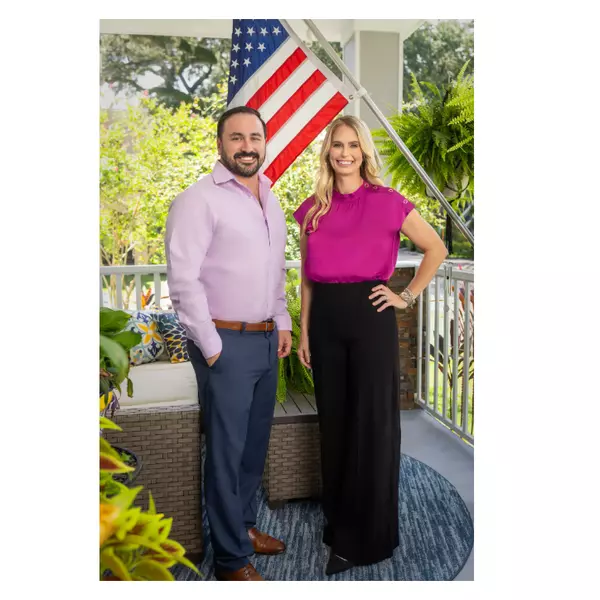
Sunny Alexander is a West Point graduate, Army veteran, licensed Florida real estate broker, and Broker/Owner of Red Sash Realty. She has served buyers, sellers, veterans, and military families in real estate since 2007.
Red Sash Realty is a veteran-owned and operated Tampa Bay real estate brokerage serving Hillsborough, Pinellas, Pasco, Polk, and Manatee counties. The team specializes in VA loans, military relocation, real estate education, negotiation, and helping clients make informed decisions that protect their families and long-term financial goals.
DISCLAIMER
This article is provided for general educational purposes and is not lending, legal, insurance, tax, or financial advice. VA requirements, lender underwriting standards, insurance guidelines, and individual contract terms may change. Buyers and sellers should consult their lender, real estate professional, insurance provider, attorney, or other qualified adviser regarding a specific transaction.
Categories
Recent Posts







GET MORE INFORMATION
Broker-Owner